NOAA Fisheries



Featured News
 Three tournament winners showcase their prizes at Mālama Maunalua’s "Eat the Invaders" event on O'ahu. The tournament supports sustainable fishing and eating by targeting invasive species like taʻape, toʻau, and roi. Courtesy of Henry Ta
 Neskowin Creek, a salmon stream in Tillamook County, Oregon, flows out to the Pacific Ocean. Credit: Adobe Stock
 Physician Dr. Larry Spetka swims with his namesake, Larry the whale shark, in the Gulf in May 2025. Credit: BWRI/Jamison Smith

Feature Story
NOAA Fisheries Announces $2.3 Million to Study Atlantic Mackerel with the Northeast Fishing Industry
New England/Mid-Atlantic
 Brenden Doyle, the founder and owner of The Great Marsh Shellfish Company, grows oysters in the largest contiguous salt marsh in New England. Credit: The Great Marsh Shellfish Company
Feature Story
Meet The Great Marsh Shellfish Company, Oyster Growers in Massachusetts
New England/Mid-Atlantic
 At first glance, dolphins and porpoises look similar. Taking a closer look, there are some general differences that distinguish these animals. See the common bottlenose dolphin (left) and harbor porpoise (right) pictured above.
Feature Story
Is It a Dolphin or a Porpoise?
Alaska
New England/Mid-Atlantic
Pacific Islands
Southeast
West Coast
National
Notices & Rules
Protected Resources
Fisheries
Fisheries
Fisheries
Fisheries
Upcoming Events
Bulletins
Open Funding Opportunities
Find a Species


Explore By Region

Explore by Topic
- Aquaculture
- Bycatch
- Careers & More
- Chesapeake Bay
- Climate Change
- Commercial Fishing
- Consultations
- Ecosystems
- Endangered Species Conservation
- Enforcement
- Fishery Observers
- Habitat Conservation
- International Affairs
- Laws & Policies
- Marine Life in Distress
- Marine Life Viewing Guidelines
- Marine Mammal Protection
- Offshore Wind Energy
- Partners
- Population Assessments
- Recreational Fishing
- Recreational Fishing Data
- Resources for Fishing
- Seafood Commerce and Trade
- Socioeconomics
- Sustainable Fisheries
- Sustainable Seafood
- Teacher at Sea Program
Multimedia
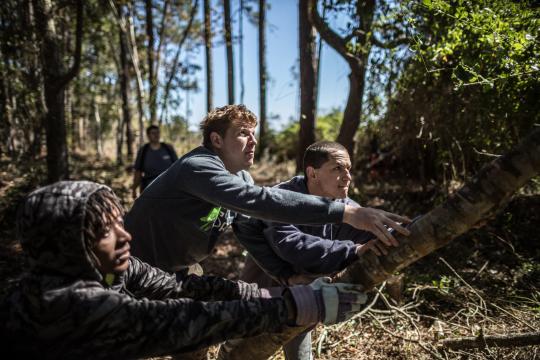 GulfCorps crews clear vegetation to restore habitat in Florida. Credit: John Stanmeyer/The Nature Conservancy.