NOAA has released a new Coral Reef Conservation Program Strategic Plan (PDF, 7.31 MB), which will guide the program’s future coral research, conservation, and restoration efforts from 2018 to 2040.
We all depend on coral reefs for something—from the air we breathe and some of the foods we eat to medical treatments. The nation’s coral reef resources also protect lives, livelihoods, and valuable coastal infrastructure. Today, many of our coral reefs have been severely damaged by a number of threats. There is still time to protect and restore these remarkable ecosystems, but we must act now.
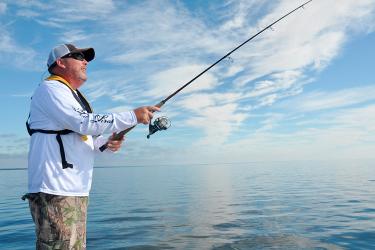
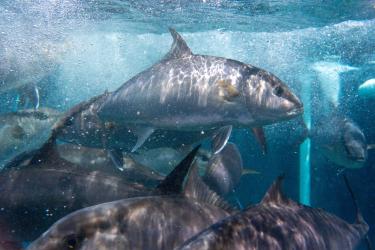
The new Strategic Plan outlines a targeted framework to reduce the main threats to coral reefs ecosystems: 1) climate change; 2) fishing impacts; and 3) land-based sources of pollution. In addition to addressing these top three threats, the plan also recognizes coral reef restoration as an important new focus and the fourth “pillar” of the program.
By implementing strategies specific to each of these four “pillars,” the Coral Reef Conservation Program is working to restore and preserve corals; maintain ecosystem function; and improve coral habitat, water quality, and key coral reef fishery species in target areas by 2040.
Read more about this effort on the NOAA Coral Reef Conservation Program's Website or download new Strategic Plan Fact Sheet (PDF, 873.2 KB).