Members adopted a revised compliance monitoring scheme and a U.S. proposal to promote labor protections for fishing vessel crews. Other decisions strengthen monitoring of fishing vessels and make progress on protecting deep-sea ecosystems.
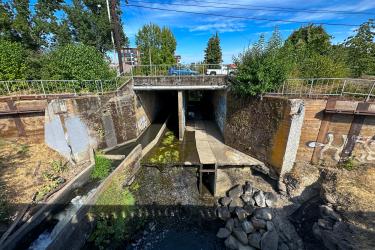
This project will benefit migratory fish, increase the safety and resiliency of transportation infrastructure, and create educational and recreational opportunities for the community in Milwaukie, Oregon.
Janet Coit, Assistant Administrator for NOAA Fisheries, discusses how NOAA Fisheries is accelerating our response to climate impacts on marine resources thanks to the Inflation Reduction Act.
To celebrate Earth Day, see how our scientists are studying and tracking changes in our environment to better understand and respond to climate change.
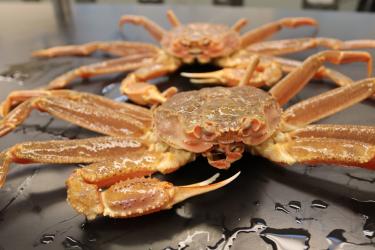
The Secretary of Commerce has determined that a commercial fishery failure due to a fishery resource disaster occurred for multiple fisheries between 2021 and 2022 in Alaska and Washington.