Our Location
The James J. Howard Marine Sciences Lab is located within the Sandy Hook Gateway National Recreation Area. Our proximity to both major urban waterways and the pristine estuaries of southern New Jersey allows our staff to investigate a range of habitats and human effects on ecosystems.
Directions to James J. Howard Lab
NOAA Takes Ownership of the James J. Howard Laboratory in New Jersey
At a ribbon-cutting ceremony in front of the Howard Laboratory at Sandy Hook, NOAA celebrated the agency's commitment to a long-term presence in the mid-Atlantic.
What We Do
The primary mission of the Howard Laboratory is to conduct research in ecology, leading to a better understanding of both coastal and estuarine organisms and the effects of human activities on nearshore marine populations and their habitats.
Northeast U.S. Shelf Regional Ecosystem
People
To conduct our work, we partner with a diverse group of international, governmental, and academic scientists and students. The laboratory may provide space and other research support to these partners and visiting scientists. More than 20 scientists are located at the Howard Laboratory. Current federal research staff include contractors and employees from:
- NOAA Fisheries
- Bureau of Ocean Management
- National Ocean Service
The lab also supports non-federal scientists from::
Our Facilities
The lab has organic and inorganic chemistry labs, controlled temperature rooms, and recirculating aquaculture systems designed for different types of experiments. These systems can control for water temperature, salinity, and pH to accommodate a variety of research.

The Howard Lab also has a two-story 32,000 gallon research aquarium. This aquarium is in a soundproof room with an adjustable lighting system.
The lab is currently researching:
- Finfish aquaculture
- Climate change
- Ocean acidification
- Climate-species modeling
- Microplastics
- Offshore wind energy
- Fish life history and recruitment
- Habitat ecology
- Cooperative Research
- Environmental DNA (eDNA) methods
In 2021, the Howard Lab built a recirculating aquaculture lab for sustainable fish farming research.

Our Leadership
Management Team
Ecosystems & Aquaculture Division
Lisa Milke, Ph.D.
Director, Ecosystems & Aquaculture Division-
-
Habitat Ecology
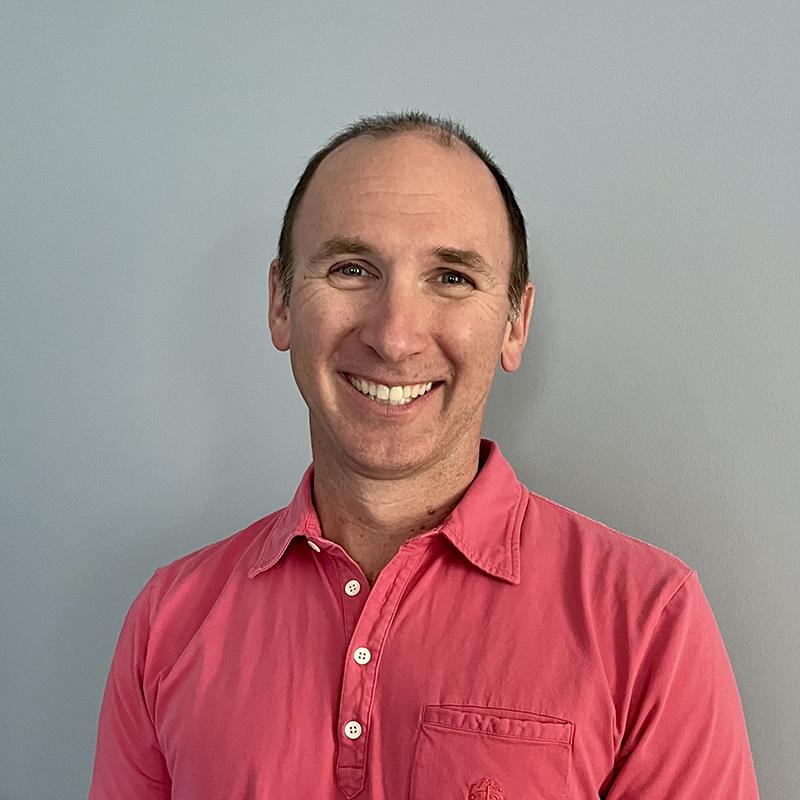
James Vasslides, Ph.D., Lab Director - Sandy Hook, Chief, Habitat Ecology Branch
-
Habitat Ecology
-
-
Fisheries Ecology Branch
Ann Petersen, Ph.D., Chief, Fisheries Ecology Branch
-
Fisheries Ecology Branch
Our History
In 1961, following passage of the 1959 Marine Game Fish Act, the Interior Department’s Bureau of Sport Fisheries and Wildlife established a laboratory focused on sportfish at Fort Hancock on Sandy Hook in New Jersey. The laboratory originally operated out of a former military hospital. In 1971, the laboratory became part of the National Oceanic and Atmospheric Administration and the National Marine Fisheries Service (now NOAA Fisheries). Research expanded to include studies of ecosystem responses to toxins and other environmental degradation, focusing on the highly impacted areas like the New York Bight. In 1985, the Sandy Hook Laboratory was destroyed by arson. Most equipment, and a 33,000 volume fisheries library were lost. After the fire, the staff moved into trailers and old former army barracks to carry out modest experiments in limited space. Reconstruction began in the late 1980s, near the former laboratory site. At the groundbreaking ceremony in 1989, the new lab was named the James J. Howard Marine Sciences Laboratory after the late James Howard, U.S. Representative of New Jersey's 3rd District, who led the lab rebuilding effort. Today, the laboratory continues to conduct valuable research to understand human impacts on marine ecosystems. Recently the laboratory also established a program to promote diversity and inclusion of staff and to support interns from Minority Serving Institutions and Historically Black Colleges and Universities.