Conservation and recovery of long-lived species requires continued monitoring of individuals. Meet some of the animals that have been known to scientists for decades.
This year marks the 15th anniversary of the Atlantic Marine Assessment Program for Protected Species. Scientists take to the sky and sea to collect data used to conserve several marine species in our region.
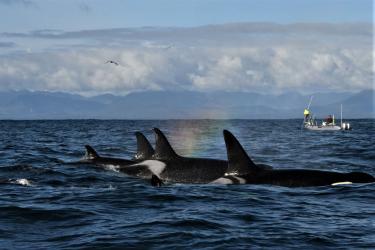
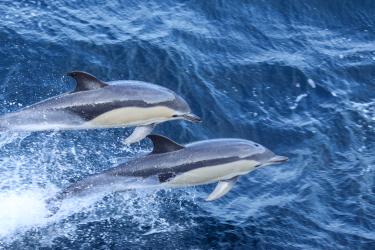
Inflation Reduction Act funds helped NOAA Fisheries scientists enhance our 2024 data for ice seals in Alaska, Hawaiian monk seals and sea turtles in the Pacific Islands, and cetaceans off the West Coast.
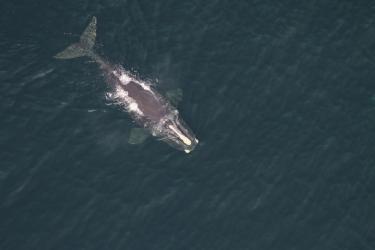
Janet Coit, Assistant Administrator for NOAA Fisheries, celebrates Stormy Mayo’s 48-year career spent conserving and studying marine life, including rescuing entangled North Atlantic right whales.
This report details marine mammal stranding rates, trends, and activities in the United States for both 2020 and 2021. In 2020, there were 5,400 confirmed marine mammal strandings; in 2021, there were 5,524.
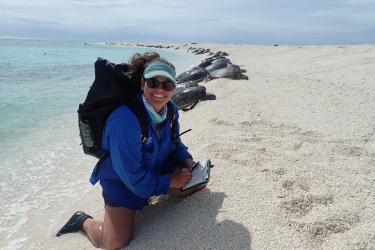
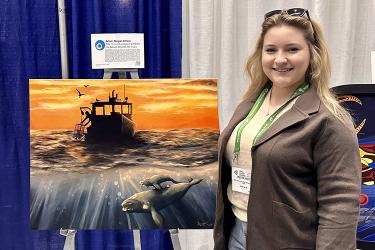
Hear from Megan Amico about her science journey, what she loves about her job, what advice she has for the next generation of women scientists, and more!
Our marine mammal network partners are leveraging the Prescott Grant Program's competitive grants to improve their stranding response and investigation capabilities for whale conservation.