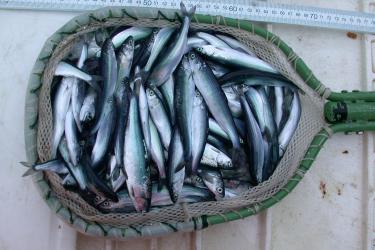
A scientific study suggests that the inside waters of northern Southeast Alaska may have provided a temporary buffer for juvenile salmon migrating into the Gulf of Alaska during warm water events.
With NOAA support, partners are restoring salmon habitat on the East Fork Lewis River—improving fish passage, reducing flood and erosion risks, and generating economic benefits for the local community.
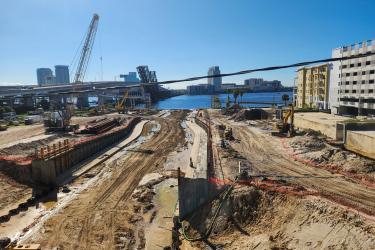
The restoration of McCoys Creek with NOAA funds is creating fish habitat and recreational space for community members. It also takes 150 homes out of the flood zone.
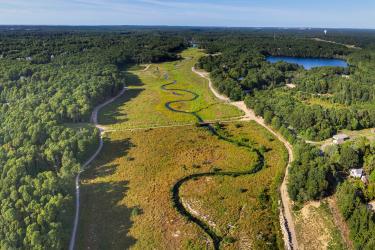
A NOAA-funded project on the Upper Coonamessett River in Falmouth, Massachusetts, will remove fish passage barriers and restore wetlands on a former cranberry bog. This work complements earlier NOAA-funded work on the lower part of the river.
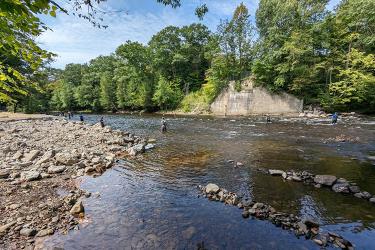
Funding to remove the Rockafellows Mill Dam in New Jersey is part of a long-term effort to bring shad and other native fish back to spawning grounds which have been blocked for almost 200 years.