Home Page Navigation
Home Page Navigation Block



Featured News

Feature Story
Department of Commerce Announces 2025 Appointments to the Regional Fishery Management Councils
Pacific Islands
National
 Celebrate Culinary Arts Month with a sustainable seafood recipe for every month of the year.
Feature Story
What Your Birth Month Says About Your Next Seafood Recipe
Alaska
New England/Mid-Atlantic
Pacific Islands
Southeast
West Coast
National
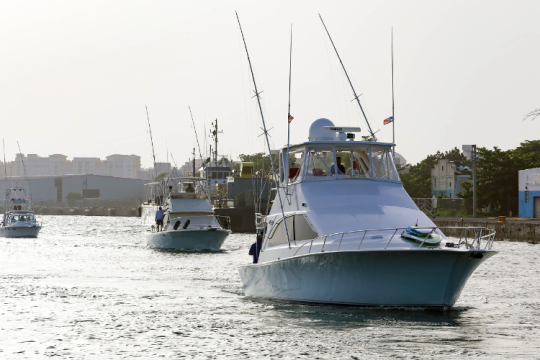 Saltwater anglers participating in a fishing tournament return to a marina in San Juan, Puerto Rico. Credit: NOAA Fisheries.
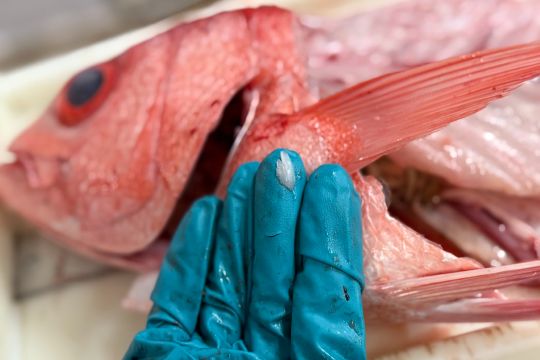 Life history scientists at NOAA Fisheries work with fishermen to collect otoliths (a fish’s inner ear bones) to estimate the age of fish populations. Pictured: Onaga (Etelis coruscans) Credit: NOAA Fisheries
 NOAA Fisheries scientists sort fish during the spring 2024 Rockfish Recruitment and Ecosystem Assessment Survey. These surveys reveal a coastal ocean dominated by a booming population of northern anchovy in recent years. Photo Credit: NOAA Fisheries.
 Gray whale mother and calf on northbound migration. Credit: NOAA Fisheries
Feature Story
Eastern North Pacific Gray Whales Continue Decline After Downturn During Unusual Mortality Event
West Coast
Notices & Rules
Fisheries
Fisheries
Fisheries
Fisheries
Fisheries
Upcoming Events
Bulletins
Open Funding Opportunities
Find a Species


Explore By Region


Explore by Topic
- Aquaculture
- Bycatch
- Careers & More
- Chesapeake Bay
- Climate Change
- Commercial Fishing
- Consultations
- Ecosystems
- Endangered Species Conservation
- Enforcement
- Fishery Observers
- Habitat Conservation
- International Affairs
- Laws & Policies
- Marine Life in Distress
- Marine Life Viewing Guidelines
- Marine Mammal Protection
- Offshore Wind Energy
- Partners
- Population Assessments
- Recreational Fishing
- Recreational Fishing Data
- Resources for Fishing
- Seafood Commerce and Trade
- Socioeconomics
- Sustainable Fisheries
- Sustainable Seafood
- Teacher at Sea Program
Multimedia
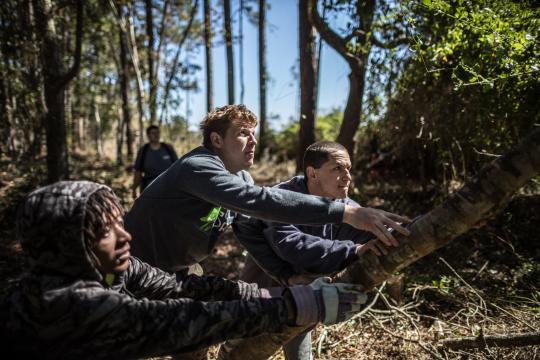 GulfCorps crews clear vegetation to restore habitat in Florida. Credit: The Nature Conservancy/John Stanmeyer
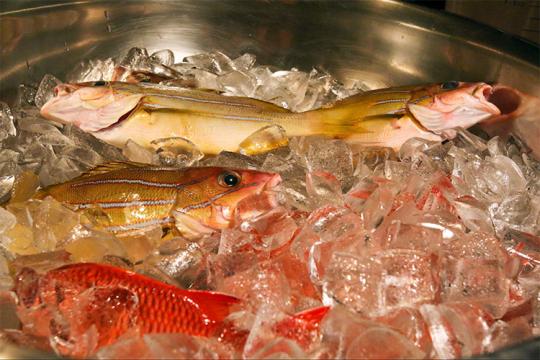 Fresh-caught taʻape on ice. Credit: Conservation International Hawaiʻi.
Podcast
Reducing Waste and Feeding Communities in Hawaiʻi with a Whole Fish Approach
Pacific Islands
 Researchers retrieve a passive acoustic recorder. Courtesy: Woods Hole Oceanographic Institute
Video
Listening for Whales: Using Passive Acoustic Monitoring to Track North Atlantic Right Whales
New England/Mid-Atlantic
Southeast