Unsupported Browser Detected

Internet Explorer lacks support for the features of this website. For the best experience, please use a modern browser such as Chrome, Firefox, or Edge.

Celebrate National Fishing and Boating Week!

June 08, 2026

Marine recreational fishing is a cherished American pastime and draws millions of anglers to support our coastal communities. Celebrate our nation's love for fishing and boating during National Fishing and Boating Week.

Featured image banner for National Fishing and Boating Week

Cast a line and join anglers across the country in celebrating National Fishing and Boating Week. All week long, we'll be sharing how NOAA supports sustainable recreational fisheries for the benefit and enjoyment of the nation. Check out the recreational fishing features below.

Recreational Fishing: An Important National Pastime

As America celebrates its 250th anniversary, and the Magnuson-Stevens Act turns 50 years old, we can’t help but think about how important recreational fishing is to our nation. Even our first president, George Washington, was an avid angler from a young age—he loved fishing the Potomac River near Mount Vernon. National Fishing and Boating Week is the perfect time to celebrate this cherished outdoor tradition! It’s an opportunity to recognize the millions of saltwater anglers who serve as stewards of our marine resources and coastal ecosystems.  

Celebrating the national pastime of recreational fishing

Image
Dad and daughter fishing

New Scientific Study Tracks the Trends in 100 Years of Shark Depredation in Recreational Fisheries

Scientists studied Atlantic recreational fishery data to better understand this complex human-wildlife conflict.

Tracking the trends in 100 years of shark depredation in recreational fisheries

Image
A sandbar shark depredating a little tunny from a fishing line in Jupiter, Florida.
A sandbar shark depredating a little tunny from a fishing line in Jupiter, Florida. Credit: Tobey Curtis/NOAA Fisheries

Updates from Partners on Engaging the Recreational Fishing Community to Restore Habitat through the National Fish Habitat Partnership

Here how we're advancing progress of habitat restoration and angler engagement projects with partners in Maryland, Alaska, and Hawai’i.

Learn about these projects

Image
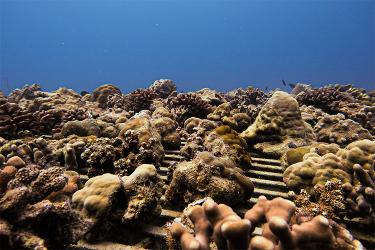
Underwater view of an oyster reef
A restored oyster reef in a tributary of the Chesapeake Bay provides habitat for a number of species. Credit: Oyster Recovery Partnership.

NOAA and U.S. Military Veterans: a Force to be Reckoned With

NOAA and Force Blue visited Gray’s Reef National Marine Sanctuary to enjoy fishing and time on the water, while learning new skills. The outing was designed to introduce veterans to recreational fishing, teach them fishing techniques and fisheries science, and thank them for their service.

Learn more about the vets and their fishing trip

Image
Veterans gather in front of the Capt. Hook back at the dock after a day of fishing at sea (Credit:NOAA/National Marine Sanctuaries Foundation)

Future of the Catch: the Modernization of Recreational Red Snapper Data Collection

NOAA Fisheries and partners are using innovative methods to modernize Gulf of America recreational red snapper data collection. These projects are working to deliver faster, more efficient science.

More on the modernization of recreational red snapper data collection

Image
Recreational anglers enjoy a day on the water in the Florida Keys.
Recreational anglers enjoy a day on the water in the Florida Keys. NOAA/Matt McIntosh

New Requirements for Halibut Charter Fishing in Alaska

Anglers charter fishing for halibut in Alaska will need a stamp if they plan to retain the fish they catch.

Read more about halibut charter fishing stamps

Image
Anglers fish on a charter vessel in Alaska
Anglers fish on a charter vessel in Alaska. Credit: Richard Yamada

Fishing for the Future: How West Coast Anglers Contribute Science that Helps Sustain Sportfishing

NOAA Fisheries collaborates with anglers and other partners in California to monitor and collect data on fishing populations.

How West Coast anglers contribute science that helps sustain sportfishing

Image
A field technician on a boat holding up a large, bright red vermilion snapper.
CCFRP technician tags a vermilion rockfish as part of the sampling process before returning the fish to the water. Credit: Paul Fischer

Fishing Fun, Tradition, and Competition

Shedding light on a few of the most unique fishing tournaments and champions in Hawai‘i.

Check out some of the most unique fishing tournaments and champions in Hawai‘i

Image
The winning team of three at a fishing tournament triumphantly hold up their prizes, including coolers, in front of a tent.
Three tournament winners showcase their prizes at Mālama Maunalua’s "Eat the Invaders" event on O'ahu. The tournament supports sustainable fishing and eating by targeting invasive species like taʻape, toʻau, and roi. Courtesy of Henry Ta

Beyond the Can: Why We’re Filling Coolers with SPAM for Science

The Sampling Program for Atlantic Mackerel seeks to bridge the data gap by partnering with recreational and commercial fishermen.

More about the Sampling Program for Atlantic Mackerel

Image
Young girl in life vest fishing on a clear day from the stern.

Empowering Anglers: A New Era for Recreational Fishing Management

A cloud-based Decision Support Tool is transforming the recreational fishing regulations process by putting cutting-edge science and decision-making power directly into the hands of recreational fishing advisors and managers.

How a cloud-based decision support tool is transforming the recreational fishing regulations process

Image
An angler proudly displays a beautiful black sea bass on a boat out on the water.
An angler proudly displays a beautiful black sea bass.

Celebrating our Top Taggers 

Since 1954, NOAA Fisheries’ Cooperative Tagging Center has collaborated with charter captains, anglers, and commercial fishermen to study highly migratory fish species. More than 10,000 volunteers have been involved in tagging and releasing fish species of interest. The information they collect helps scientists learn more about their movements, seasonal patterns, and more. All of this information supports management of more sustainable fisheries. 

Find out more about our 2025 top taggers

Image
A large blue and white billfish in the water with an orange string-like tag sticking out of its back, hooked and held close to a boat by an angler holding a fishing line.
A white marlin tagged with a spaghetti tag, getting ready to be released. Photo courtesy of Chris Jobes.

NOAA Fisheries Certifies Two State Recreational Fishing Surveys to Improve Catch Estimates

Alabama and Mississippi creel surveys certified as valid sources of data to inform recreational fishery management.

Learn more about these certified creel surveys

Image
T. Playforth holds up a large red snapper during a day spent with friends on a recreational fishing charter in the Gulf of America.

Recreational Fishing Best Practices

Catch and Release

Every angler will encounter a time where they have to or choose to return the fish they caught back to the water due to regulations or personal preference. It’s your responsibility to know the catch limits and minimum sizes for the fish you may encounter. If you don’t know, let it go! 
Things to keep in mind to ensure released fish survive

Image
1594x1063_MikeLarkinSEFSC_Rylan.jpg

Responsible Fishing

Part of the excitement of recreational fishing is not knowing what you will encounter. That’s why it is important to be prepared—being a responsible angler doesn’t end with knowing regulations.
Best practices for responsible fishing

Image
A smiling child reels in his catch while seated on a fishing boat.

See a Spout: A Free Course on Boating Safely Around Whales

We have expanded a free boater safety course for New England and the Mid-Atlantic to include the West Coast and Hawaiʻi. The See a Spout? Watch Out! program’s course offers tips on safely navigating waters shared with protected marine species like whales.

Learn more about the See a Spout? Watch Out! Course 

Logo for See a Spout? Watch Out! featuring an orange ship wheel surrounding a blue circle with a white whale fluke and spout emerging from blue water

Catch and Click: Six Tips for the Perfect Fish Photo

Tips for capturing your fishing memories, taking the best fish selfies and shots holding fish—using just your smartphone.

Tips for capturing your memorable fishing moments

Image
A white man in sunglasses and a baseball cap smiles and holds a fish up to the camera.
Nick Haddad, sustainable fisheries communications manager for Return 'Em Right, holds a fish up to the camera. Credit: Return 'Em Right