





Critical Habitat for North Pacific Right Whales
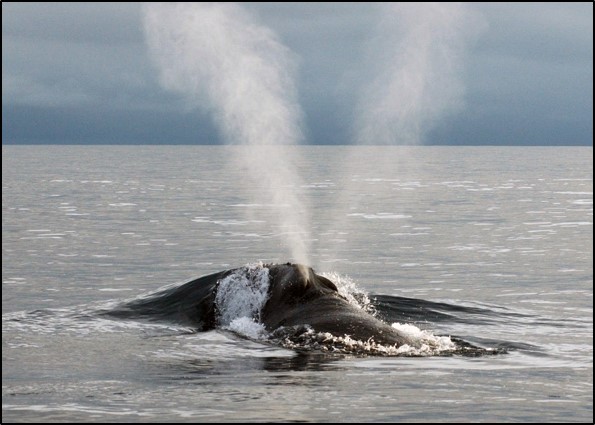
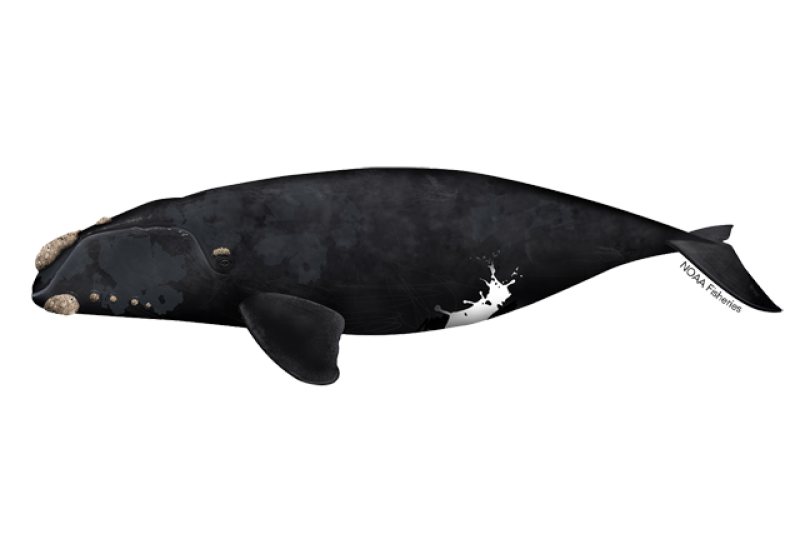
We, NMFS, announce a 12- month determination on a petition to revise the critical habitat designation for the North Pacific right whale (Eubalaena japonica) under the Endangered Species Act (ESA). Based on our review of the best available information on…
- 12-Month Finding on a Petition To Revise the Critical Habitat Designation for t…
- 2022 90-Day Finding on a Petition To Revise the Critical Habitat (87 FR 41271)
- 2008 Final Rule (73 FR 19000, 04/08/2008)
- 2006 Final Rule (71 FR 38277, 07/06/2006)
- Critical Habitat Revision Process Flier
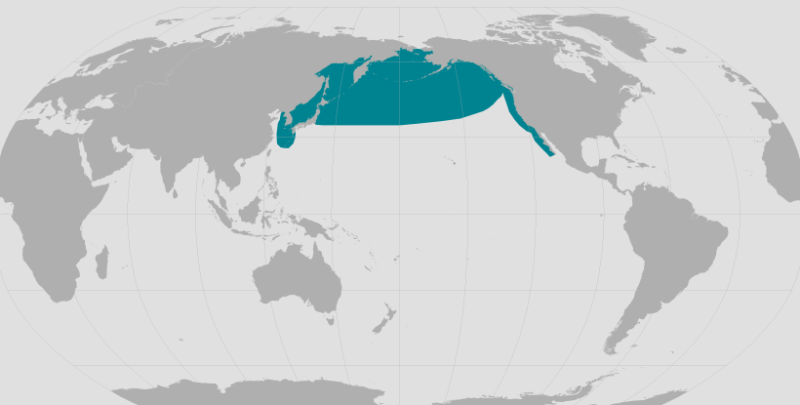
- North Pacific Right Whale Critical Habitat Map and GIS Data (10/28/2005)
- Alaska ESA Species and Critical Habitat Web Mapper Application
- A Regulatory Impact Review Section 4(b)(2) Analysis (2008)
- Habitat Requirements and Extinction Risks of Eastern NP Right Whales (04/2006)
- Historic and Current Habitat Use by North Pacific Right Whales (2005)
Published
Cook Inlet and Kodiak Marine Mammal Disaster Response Guidelines
NOAA Fisheries, in an effort to increase preparedness for wildlife response under the Oil Pollution Act of 1990, has drafted guidelines for marine mammal response in disaster situations in Cook Inlet and Kodiak, Alaska entitled "Cook Inlet and Kodiak…
Published
5-Year Review for the North Pacific Right Whale
NOAA Fisheries announces the initiation of a 5-year review of the North Pacific right whale (Eubalaena japonica) under the Endangered Species Act (ESA). We are requesting submission of any information on the North Pacific right whale, particularly…
Published
Special Prohibitions for Endangered Marine Mammals
Regulations on approaching endangered humpback whales in Alaska, approaching right whales, special prohibitions relating to endangered Steller sea lion protection, and protective regulations for killer whales in Washington.
- Title 50, Part 224.103
- Final Rule: Technical Amendments, Humpback Whale Approach Regulations (81 FR 62…
- Final Rule: Adding Humpbacks to AK Approach Regulations (78 FR 66139, 11/04/201…
- Final Rule: WA Killer Whale Approach Regulations (76 FR 20870, 04/14/2011)
- Final Rule: Technical Revisions - Right Whale Approach Regulations (70 FR 1832,…
- Final Rule: Humpback Whale Approach Regulations (66 FR 29502, 05/31/2001)
Issued